The Power of Therapeutic Activities in Dementia Care

The Power of Therapeutic Activities in Dementia Care: How Engagement Builds Joy and Connection

Quick Answer

Therapeutic activities are a cornerstone of effective dementia care, going far beyond mere entertainment to deeply enhance a resident’s quality of life. Engaging individuals with Alzheimer’s or dementia in art, music, sensory exercises, and gentle physical activities helps reduce anxiety, agitation, and depressive symptoms. These purposeful engagements stimulate the brain, preserve remaining cognitive functions for longer, and foster a profound sense of joy and self-worth. By focusing on what individuals can do rather than what they have lost, therapeutic activities build meaningful connections between residents, caregivers, and families, creating a more peaceful and fulfilling daily environment.

When dementia begins to change how someone thinks, remembers, or communicates, families often worry that meaningful activities may no longer be possible. But the truth is deeply comforting: people living with dementia can still enjoy, create, express, and connect sometimes even more openly and beautifully than before.

At Serene Suites, therapeutic activities are at the heart of our care philosophy. We see every single day how engagement can spark joy, reduce anxiety, calm agitation, and bring out strengths that families thought were lost. With the right environment, residents rediscover comfort, purpose, and emotional connection.

Here’s how therapeutic activities make life richer, calmer, and more meaningful for our residents:

1. Music Therapy: Unlocking Memories and Emotions

Music has a remarkable ability to reach places that words cannot. A familiar tune can transport someone back to a precious life moment, soothe restless thoughts, or encourage a smile.

At Serene Suites, residents participate in music lessons, group sing-alongs, and interactive music sessions, helping them reconnect with memories and express themselves in meaningful ways. Music therapy bridges the past and the present, supporting emotional well-being and connection.

2. Arts and Crafts: Expression Without Words

As dementia progresses, verbal communication can become challenging. Arts and crafts provide another voice.

Whether it’s painting, drawing, or guided craft activities, residents enjoy a safe space to express emotions freely, without rules or pressure.

These activities help with:

  • Emotional release
  • Creativity
  • Focus and engagement
  • Building confidence

Arts and crafts remind residents that they still have stories to share through colors, shapes, and imagination.

3. Cognitive and Skill Building Activities: Keeping the Mind Engaged

Even with dementia, the brain benefits from gentle stimulation. At Serene Suites, residents participate in skill building workshops, storytelling sessions, gardening, and library based learning activities.

These exercises support problem solving, maintain cognitive abilities, and encourage participation. Small achievements help boost confidence and emotional well being.

4. Physical Activity: Movement for Mind and Body

Physical activity doesn’t have to be intense to be beneficial. At Serene Suites, residents enjoy guided exercises, walks in garden paths, and gentle movement sessions.

Regular movement supports mobility, improves mood, and strengthens the connection between mind and body, contributing to overall emotional stability.

5. Social Interaction: Staying Connected and Seen

Isolation can be one of the most challenging effects of dementia. Social engagement is central to life at Serene Suites.

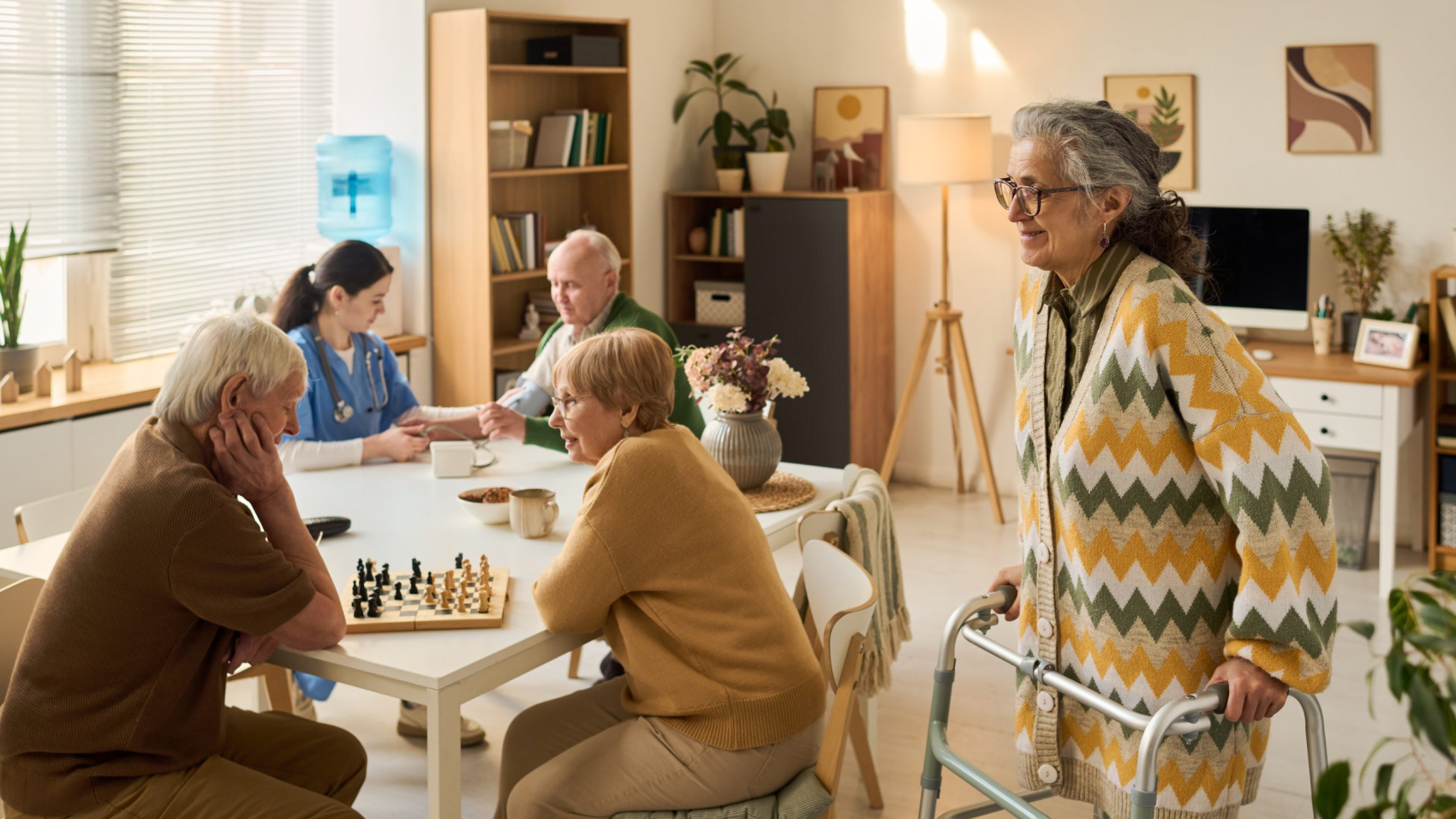
Through group activities, shared meals, story circles, and seasonal events, residents stay connected, supported, and emotionally nourished. Even simple conversations brighten moods and foster a sense of belonging.

A Personalized Approach Built With Love

No two individuals experience dementia the same way, and no two care plans should be identical.

At Serene Suites, every activity is thoughtfully chosen based on:

  • Personal history
  • Interests
  • Abilities
  • Comfort level
  • Emotional needs

Our caregivers and therapists design personalized activity plans that bring comfort, purpose, and joy into each day. Whether it’s a favorite song, a craft project, or a group activity, every moment is infused with compassion.

Therapeutic activities do more than fill time; they build bridges. They help residents reconnect with themselves, their memories, and the people they love. Most importantly, they remind families that their loved one still has so much life, emotion, creativity, and connection within them.

If you’d like to learn more about our therapy programs or how we can help your loved one stay emotionally and mentally engaged, our doors are always open.

Frequently Asked Questions

What are therapeutic activities in dementia care?

Therapeutic activities are structured, meaningful engagements designed specifically for individuals with cognitive decline. These include music therapy, art projects, puzzle-solving, gardening, and sensory stimulation. They are tailored to the individual’s abilities to promote emotional well-being, stimulate memory, and encourage social connection rather than just passing time.

How do therapeutic activities reduce dementia-related anxiety?
Engaging in familiar, calming activities helps redirect negative emotions and provides a sense of purpose. Rhythmic activities like listening to familiar music or simple repetitive crafts soothe the nervous system, reducing common dementia symptoms like wandering, agitation, and sundowning by keeping the mind gently focused.

Why is music therapy effective for Alzheimer’s patients?
The brain’s musical memory centers are often the last to be affected by Alzheimer’s. Playing familiar songs from an individual’s youth can spark joy, trigger deep emotional memories, and temporarily restore conversational abilities. Music naturally elevates mood, encourages movement, and bridges communication gaps when words fail.

How can families participate in therapeutic engagement?
Families can easily join in by bringing old photo albums to spark reminiscence, playing their loved one’s favorite music, or working on simple, large-piece puzzles together. The goal is to focus on the shared experience and emotional connection rather than the outcome, creating stress-free, joyful moments.

Does regular engagement slow cognitive decline?
While therapeutic activities cannot cure dementia, regular mental and social stimulation helps preserve existing cognitive pathways for as long as possible. Consistent engagement keeps the brain active, which can delay the progression of certain symptoms, improve daily functioning, and drastically enhance the individual’s overall quality of life.

Author Details

Nathan Gruber

Nathan Gruber is President and CEO of Next Gen Management LLC, which operates Serene Suites in Blue Ash, Ohio. A licensed Nursing Home Administrator with 28 years of senior living experience and a B.S. in Gerontology, Nathan shares professional insight on dementia care, memory care, and family-centered senior living.
Blog-01

Serene Suites Premier Memory Care

A Family-Owned Community Built just for Memory care

Its more than assisted-living services. its a comfortable, family-owned community, filled with amenities that support health and wellness for residents living with alzheimer’s disease and related dementias

DATE : 14th Of September 2023.

Space is limited so, please RSVP (513) 745-5000
Email: dementiaexperts@theserenesuites.com

Author Details

Nathan Gruber

Nathan Gruber is President and CEO of Next Gen Management LLC, which operates Serene Suites in Blue Ash, Ohio. A licensed Nursing Home Administrator with 28 years of senior living experience and a B.S. in Gerontology, Nathan shares professional insight on dementia care, memory care, and family-centered senior living.
5 Signs Your Aging Parent May Need More Support.jpg

5 Signs Your Aging Parent May Need More Support

Quick Answer

Recognizing when an aging parent needs professional support can be difficult because changes often happen gradually. Five key warning signs include noticeable changes in personal hygiene, uncharacteristic home clutter or unmanaged bills, sudden mood or personality shifts, unexplainable physical bruises or mobility issues, and missed medication doses. When these warning signs surface, continuing independent living without aid can risk health and safety. Assessing these indicators early allows families to explore specialized senior living options, such as the memory care services at Serene Suites, ensuring dignity, safety, and 24/7 care

Watching a parent grow older can be difficult. Small changes often happen gradually, making it hard to know when extra support is truly needed. Recognizing the signs early can help you make thoughtful decisions before a crisis occurs.

1. Changes in Hygiene or Appearance

If your parent begins neglecting personal grooming, wearing unclean clothes, or skipping baths, it may signal mobility issues, memory challenges, or emotional distress.

2. Difficulty Managing the Home

Unpaid bills, clutter, spoiled food, or unsafe kitchen habits can indicate they are struggling with daily responsibilities that once felt routine.

3. Increased Forgetfulness

Missing medications, repeating questions, or getting confused in familiar places may suggest cognitive decline that requires closer monitoring.

4. Social Withdrawal

Avoiding family gatherings or losing interest in hobbies can point to loneliness, depression, or reduced confidence.

5. Physical Decline or Frequent Falls

Balance issues, weight loss, or recurring injuries are serious signs that daily supervision and medical oversight may be necessary.

Seeking additional support is not about taking away independence. It is about protecting dignity, safety, and overall wellbeing.

At Serene Suites, we provide compassionate care, structured daily support, medical supervision, and a warm community environment where seniors feel valued and secure. Our team understands that this transition can feel overwhelming, which is why we guide families with empathy and clarity every step of the way.

If you are beginning to notice these signs, you do not have to navigate this alone. Reach out to Serene Suites for a confidential conversation about your parent’s needs. Let us help you explore the right path forward and ensure your loved one receives the comfort, respect, and peace of mind they deserve

Frequently Asked Questions

What are subtle early indicators that an aging parent is struggling to live independently?

Look beyond obvious physical changes for secondary behavioral red flags: unopened stacks of urgent mail, expired or spoiled food stockpiled in the refrigerator, unwashed laundry, neglected home maintenance, or subtle changes in personal grooming and bathing habits that indicate difficulty managing basic daily routines.

How can families distinguish between normal age-related forgetfulness and early dementia symptoms?

Normal aging involves occasionally misplacing keys or forgetting an acquaintance’s name but recalling them later. Dementia involves chronic short-term memory failure, disorientation in familiar neighborhoods, repeating the same question multiple times in an hour, and significant difficulty following step-by-step instructions or managing finances.

How should I navigate a conversation if my parent actively resists accepting outside help?

Avoid confrontational language or declaring that they are “losing independence.” Frame the dialogue around wellness, safety, and relieving daily stress. Focus on how bringing in supportive services allows them to stay healthy and engaged, and consider involving a trusted family doctor or neutral professional counselor to guide the conversation.

When is it necessary to transition a parent from home care to specialized 24/7 memory care?

Transitioning becomes critical when safety concerns escalate—such as wandering, leaving appliances turned on, or forgetting essential medications—or when primary family caregivers experience severe physical and emotional burnout attempting to provide continuous oversight.

How does Serene Suites address these specific safety and care concerns for residents?

Serene Suites addresses these warning signs through a purpose-built environment featuring 24/7 clinical monitoring, secure key-card entrances, tailored cognitive therapies, assistance with daily hygiene, and chef-prepared nutrition designed to restore dignity and improve total quality of life.

Author Details
Nathan Gruber

Nathan Gruber is President and CEO of Next Gen Management LLC, which operates Serene Suites in Blue Ash, Ohio. A licensed Nursing Home Administrator with 28 years of senior living experience and a B.S. in Gerontology, Nathan shares professional insight on dementia care, memory care, and family-centered senior living.
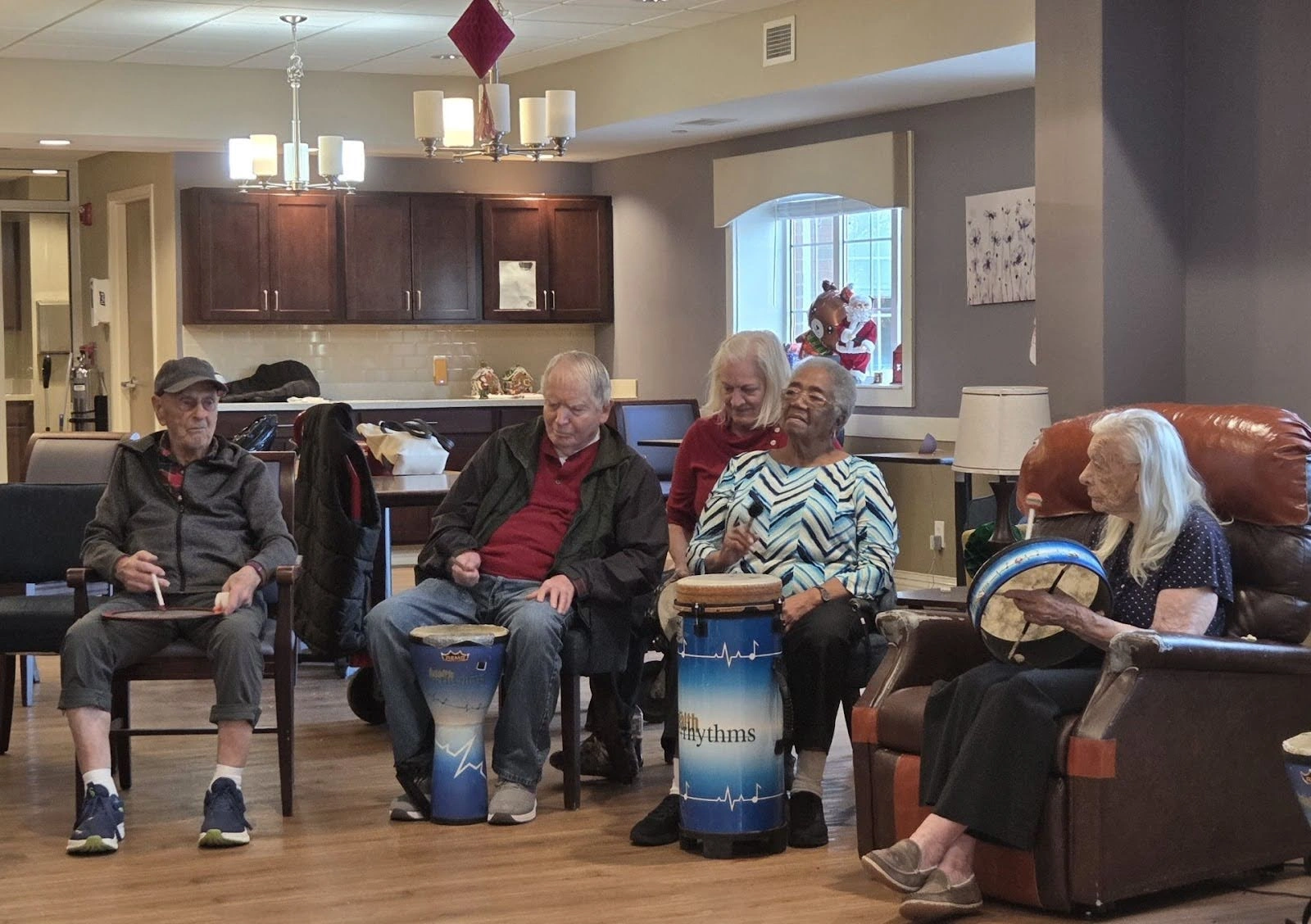
The Healing Power of Music at Serene Suites.jpg

The Healing Power of Music at Serene Suites

There is something truly special about the power of music. It has the ability to lift spirits, encourage connection, and create meaningful moments of joy even when words are difficult to express.

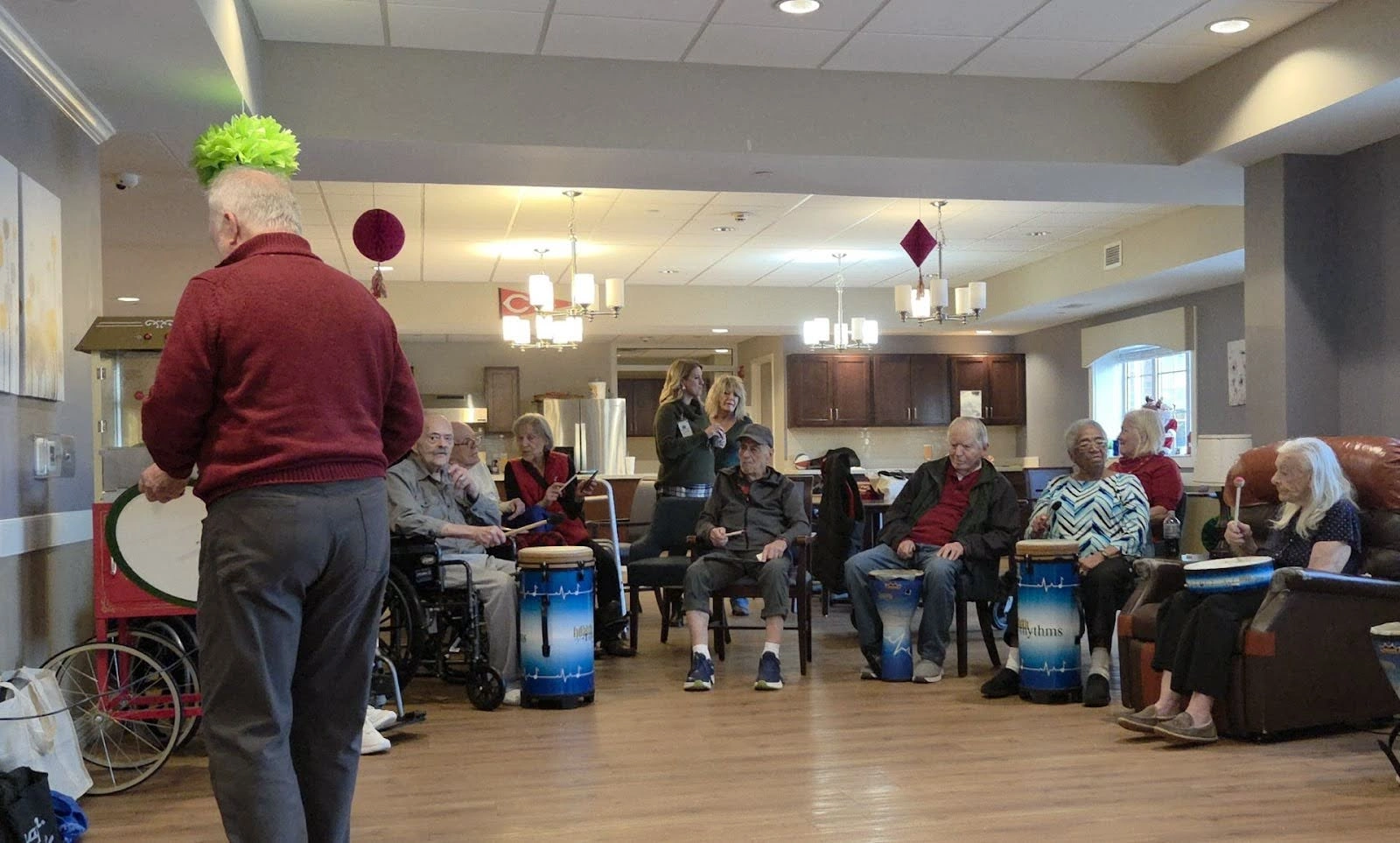
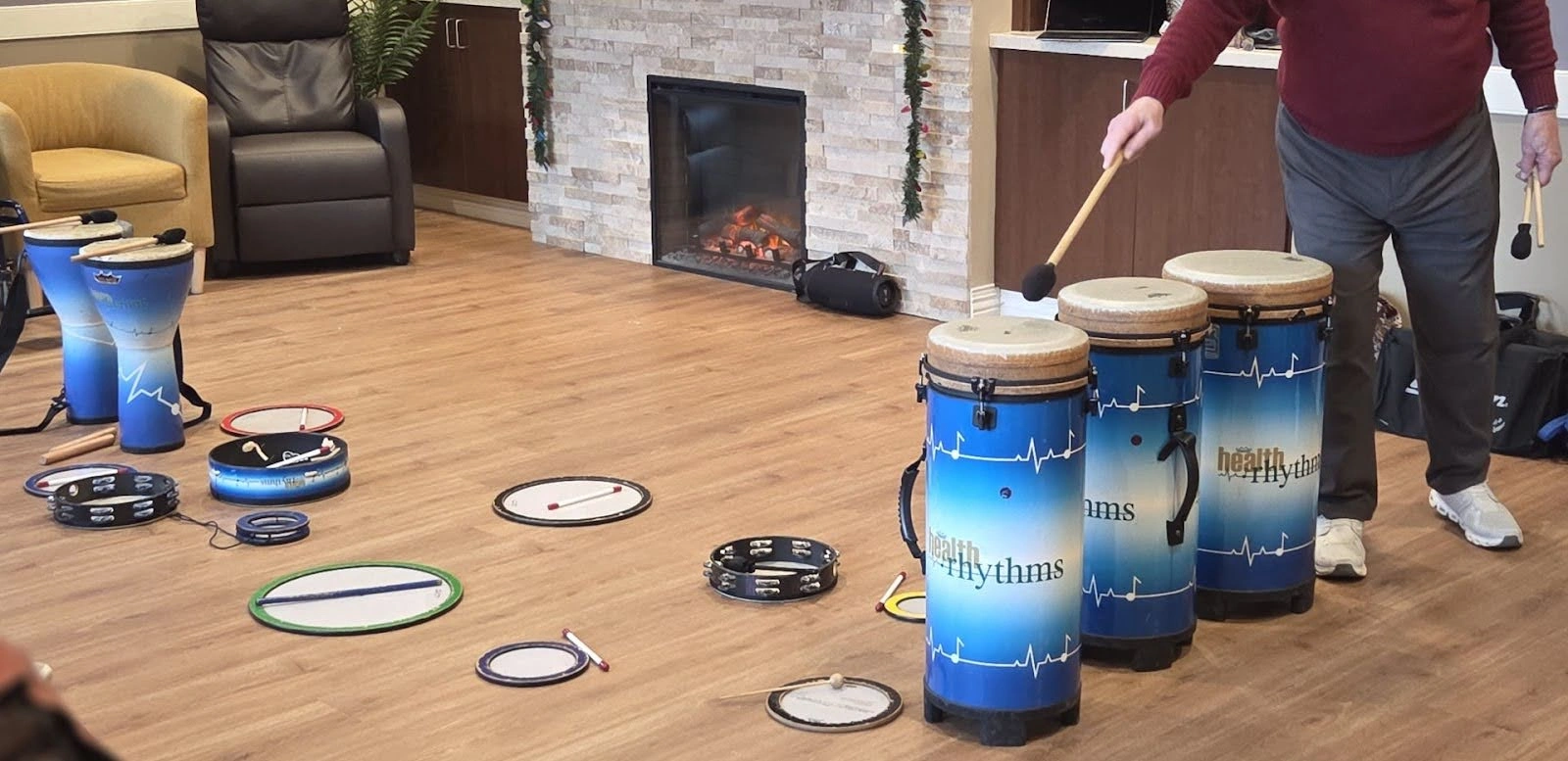
Recently, residents at Serene Suites enjoyed a lively and uplifting music session with Heart Rhythms, who visited our community to share an experience filled with rhythm, smiles, and togetherness. From tapping along to familiar beats to gently moving with the music, residents participated in ways that felt natural and comfortable to them. The room was filled with energy, warmth, and a sense of shared happiness.

In memory care, music often plays an important role in supporting emotional wellbeing. Rhythm and familiar sounds can help spark recognition, provide comfort, and create moments of enjoyment, even when communication becomes challenging. During this session, residents connected through sound and movement, showing engagement in their own unique and meaningful ways.

These moments may seem simple, but they carry great value. Seeing residents smile, focus on the instruments, or move along with the rhythm reminds us how thoughtful activities can brighten the day and reduce feelings of isolation. Music creates an environment where residents can feel included, calm, and emotionally supported.

We sincerely thank Heart Rhythms for visiting Serene Suites and sharing their time and talent with our residents. Their session brought positive energy and helped create a joyful experience that was appreciated by everyone present. 

At Serene Suites, we remain committed to creating enriching experiences that support not only physical care, but emotional connection and quality of life as well. Through activities like music sessions, we continue to foster comfort, engagement, and meaningful moments because sometimes, a familiar rhythm is all it takes to make a day brighter.

Author Details

Nathan Gruber

Nathan Gruber is President and CEO of Next Gen Management LLC, which operates Serene Suites in Blue Ash, Ohio. A licensed Nursing Home Administrator with 28 years of senior living experience and a B.S. in Gerontology, Nathan shares professional insight on dementia care, memory care, and family-centered senior living.
How to Prepare a Loved One for Moving Into Memory Care

How to Prepare a Loved One for Moving Into Memory Care in Cincinnati, OH

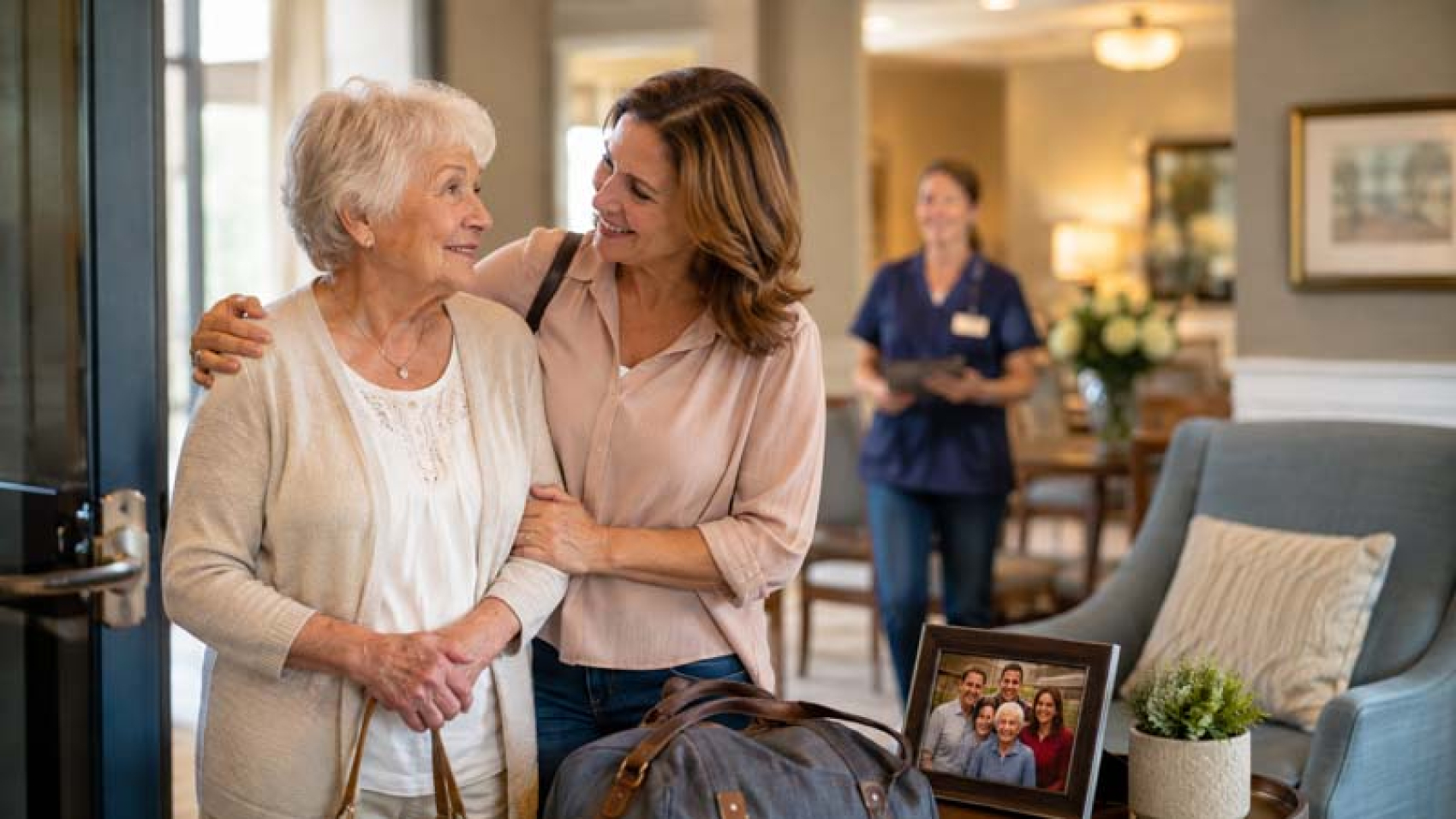
Deciding to move a loved one into memory care can feel overwhelming. Families often worry about how their parent will react, whether they’ll feel safe, and how the transition will change daily life. These feelings are completely natural but moving to a supportive, compassionate memory care facility in Cincinnati, OH, can be one of the most loving decisions you make.

Start With Gentle Conversations

Introduce the idea slowly and with patience. Focus on reassurance rather than logic.  Small, calm conversations over time help your loved one feel included and reduce anxiety.

Bring Familiarity and Comfort

Even a well-designed facility can feel unfamiliar. Personal items  family photos, favorite blankets, a beloved chair, or keepsakes can make a new room feel like home. Emotional connections to familiar objects often remain strong, even as memory fades.

Keep Moving Day Calm

Minimize stress by keeping the day simple. Limit the number of people present, avoid overwhelming explanations, and frame the day as a positive visit. Caregivers can guide your loved one through routines, helping them settle in gently and comfortably.

Collaborate With the Care Team

Sharing details about routines, favorite activities, and comforting habits allows caregivers to provide personalized care. A familiar song, hobby, or daily routine can create meaningful moments and help your loved one feel secure from day one.

Give Time to Adjust

Transitions take time. Mood changes, confusion, or withdrawal in the first days are normal. With consistent routines and supportive visits, most residents gradually feel at ease and start engaging with their new environment.

Maintain Connection

Even after the move, your presence remains incredibly meaningful. Short visits, shared music, or looking through old photos can create comfort. Emotional memory is powerful while details may fade, feelings of love and reassurance stay.

Moving into memory care is not giving up. It’s about providing safety, dignity, and support while allowing families to continue showing love in new ways. At Serene Suites, we guide families through every stage of this journey, ensuring your loved one feels valued, secure, and cared for because even as memories change, love remains.

Author Details

Nathan Gruber

Nathan Gruber is President and CEO of Next Gen Management LLC, which operates Serene Suites in Blue Ash, Ohio. A licensed Nursing Home Administrator with 28 years of senior living experience and a B.S. in Gerontology, Nathan shares professional insight on dementia care, memory care, and family-centered senior living.
Alzheimer care Cincinnati OH

How to Support a Loved One in the Early Stages of Alzheimer’s

Receiving an Alzheimer’s diagnosis is a life-changing moment for the person diagnosed and for everyone who loves them. The early stages can feel particularly disorienting, because your loved one may seem mostly like themselves, yet something has clearly shifted.

From adjusting the home environment to having honest conversations about the future, these are some of the practical ways to support a loved one in the early stages of Alzheimer’s.

Understanding the Early Symptoms of Alzheimer’s

Early Alzheimer’s rarely announces itself loudly. You may notice your loved one repeating the same questions, struggling with tasks like managing finances, or withdrawing from social situations. These are not personal choices; they are symptoms of a brain working harder to process and retain information.

Behavioral changes like irritability or emotional withdrawal are also common at this stage. Structured daily engagement can help slow the loss of daily living skills, which is why starting Alzheimer’s care in Cincinnati, OH, early gives families a meaningful advantage.

Practical Daily Assistance

Predictable routines do more than organize the day; they lower anxiety and help your loved one feel a sense of control. Small environmental changes make a meaningful difference, too. Some effective adjustments include:

  • Labeling drawers and cupboards to reduce guesswork
  • Simplifying home layouts to prevent clutter and falls
  • Limiting unnecessary choices throughout daily routines
  • Prioritizing regular meals and movement to support cognitive stamina

Emotional and Social Support

When your loved one says something inaccurate, resist the urge to correct them. Redirecting to their emotional experience rather than the facts preserves dignity and prevents frustration. What they feel is valid, even when the details are not.

Isolation accelerates cognitive decline, so keeping your loved one socially engaged matters. Activities like Opening Minds through Art (OMA), offered at Serene Suites, provide failure-free creative engagement that supports connection and self-expression.

Proactive Future Planning

The early stages are the right time for direct, honest conversations while your loved one can still voice their preferences. Put legal documents in place, including a power of attorney, and document care wishes. Waiting until a crisis removes the ability to plan together.

Touring a specialized Alzheimer’s care facility in Cincinnati before you need one gives you a plan. Respite care is worth exploring, too; short-term professional support prevents caregiver burnout and helps you remain emotionally available.

Discover Compassionate Alzheimer’s Care in Cincinnati, OH, at Serene Suites

When care needs begin to grow, having the right support already in place makes a considerable difference. Serene Suites is a premier memory care facility in Cincinnati, built around dignity and compassionate daily living. Every detail, from chef-prepared meals and gardening classes to the award-winning OMA program, is designed around your loved one’s well-being.

Contact our team to schedule a tour and experience what genuine Alzheimer’s care in Cincinnati, OH, looks like.

Frequently Asked Questions

How do I talk to a loved one about their Alzheimer’s diagnosis?

Choose a calm, private moment and use simple, direct language. Focus on reassurance and what support will look like going forward, rather than dwelling on the disease’s progression.

What is the difference between memory care and assisted living?

Assisted living supports older adults who need help with daily tasks while maintaining some independence. Memory care is a specialized form of residential care for individuals with Alzheimer’s and other forms of dementia.

Author Details

Nathan Gruber

Nathan Gruber is President and CEO of Next Gen Management LLC, which operates Serene Suites in Blue Ash, Ohio. A licensed Nursing Home Administrator with 28 years of senior living experience and a B.S. in Gerontology, Nathan shares professional insight on dementia care, memory care, and family-centered senior living.
Choosing the Right Dementia Care Home.jpg

Choosing the Right Dementia Care Home

Choosing a dementia care home for a loved one is never an easy decision. It often comes with a mix of emotions, concern, guilt, and the desire to do what’s best. The right environment, however, can greatly improve your loved one’s quality of life, providing safety, comfort, and dignity.

Understanding Your Loved One’s Needs

Every individual living with dementia has unique needs. Some may require minimal assistance, while others need round the clock care. Before selecting a care home, take time to assess:

  • Their stage of dementia
  • Medical requirements
  • Mobility and daily support needs
  • Emotional and social preferences

Having clarity on these factors will help you narrow down your options.

A Safe and Supportive Environment

Safety should always be a top priority. A good dementia care home is designed to prevent confusion and accidents. Look for features such as:

  • Secure premises to prevent wandering
  • Clear signage and easy to navigate spaces
  • Emergency response systems
  • Calm, clutter free surroundings

These elements help residents feel more comfortable and reduce anxiety.

Trained and Compassionate Staff

The quality of care depends heavily on the people providing it. Staff should be trained specifically in dementia care and understand how to manage behavioral changes with patience and empathy.

Observe how caregivers interact with residents’ kindness, respect, and attentiveness are key indicators of a good facility.

Personalized Care Plans

No two residents are the same. The best care homes create individualized care plans tailored to each person’s needs, routines, and preferences.

This includes:

  • Medication management
  • Daily routines
  • Dietary requirements
  • Emotional and mental well being support

Personalized care ensures your loved one feels valued and understood.

Activities and Social Engagement

A good dementia care home goes beyond basic care. Meaningful activities can improve mood, memory, and overall well being.

Look for homes that offer:

  • Cognitive stimulation activities
  • Light physical exercises
  • Music, art, or sensory therapies
  • Opportunities for social interaction

These activities help residents stay engaged and maintain a sense of purpose.

Cleanliness and Comfort

The environment should feel like a home, not a hospital. Clean, well maintained spaces, comfortable rooms, and a warm atmosphere make a big difference.

When you visit, notice:

  • Hygiene standards
  • Odor and cleanliness
  • Lighting and ventilation
  • Overall ambiance

A welcoming setting contributes to emotional comfort.

Communication and Family Involvement

A reliable care home keeps families informed and involved. Regular updates, open communication, and flexible visiting policies are essential.

You should feel confident that your loved one is in good hands, even when you’re not there.

Choosing a dementia care home is one of the most important decisions you’ll make for your loved one. Take your time, ask questions, and trust what feels right.

The right place won’t just provide care  it will provide comfort, dignity, and a sense of belonging.

At Serene Suites, we believe every individual deserves to be cared for with grace, compassion, and respect  in a place that truly feels like home.

Author Details

Nathan Gruber

Nathan Gruber is President and CEO of Next Gen Management LLC, which operates Serene Suites in Blue Ash, Ohio. A licensed Nursing Home Administrator with 28 years of senior living experience and a B.S. in Gerontology, Nathan shares professional insight on dementia care, memory care, and family-centered senior living.
Top 10 Communication Tips for Speaking with Someone with Dementia.jpg

Top 10 Communication Tips for Speaking with Someone with Dementia

Communicating with a loved one who has dementia can feel challenging, emotional, and at times overwhelming. Words may get lost, memories may blur, and responses may not always make sense but connection is still possible.

The key is not just what you say, but how you say it.

Here are 10 practical and compassionate communication tips to help you build better understanding, reduce frustration, and create meaningful moments.

1. Get Their Attention First – Before speaking, gently call their name and make eye contact. Approach them calmly and from the front so they don’t feel startled.

2. Keep It Simple – Use short, clear sentences. Avoid complex questions or giving too many choices at once.
Instead of: “What do you want to eat?”
Try: “Would you like tea or juice?”

3. Speak Slowly and Clearly – There’s no need to rush. Speak at a steady pace and give them time to process what you’ve said.

4. Use a Calm and Reassuring Tone – Your tone matters more than your words. Even if they don’t fully understand, they can feel your emotions. Stay gentle, patient, and kind.

5. Don’t Correct or Argue – If they say something incorrect, avoid correcting them harshly. Enter their reality instead of forcing them into yours.
Sometimes, agreeing is more comforting than being right.

6. Use Non-Verbal Communication – Smiles, touch, and body language can communicate more than words. A reassuring hand on the shoulder can make them feel safe and understood.

7. Ask One Question at a Time – Multiple questions can be confusing. Keep it simple and allow time for a response.

8. Be Patient with Responses –They may take longer to answer or may not answer at all. Avoid interrupting or finishing their sentences unless they seem frustrated.

9. Redirect Gently if Needed – If they become upset or fixated on something, gently change the topic or shift their attention to something calming or familiar.

10. Focus on Feelings, Not Facts – Even if their words don’t make sense, their emotions are real. Respond to how they feel rather than what they say.

Dementia may change the way someone communicates, but it doesn’t take away their need for love, respect, and connection.

At Serene Suites, we believe that every interaction matters. With patience, empathy, and understanding, you can turn everyday conversations into moments of comfort and care.

Author Details

Nathan Gruber

Nathan Gruber is President and CEO of Next Gen Management LLC, which operates Serene Suites in Blue Ash, Ohio. A licensed Nursing Home Administrator with 28 years of senior living experience and a B.S. in Gerontology, Nathan shares professional insight on dementia care, memory care, and family-centered senior living.
resized_Why-Headphones-Are-Emerging-as-a-Tool-in-Dementia-Care.jpg

Why Headphones Are Emerging as a Tool in Dementia Care

There are moments in dementia support when the world feels too loud, too confusing or sometimes, too silent.

For someone living with dementia, everyday sounds can blur together. Conversations become harder to follow. Familiar voices fade into the background. And slowly, without anyone noticing at first, isolation begins to grow.

Now imagine restoring just a small part of that connection.

Not through complex treatments. Not through medication. But through something as simple as sound.

Headphones especially those designed for hearing support are becoming a quiet source of comfort for individuals with hearing loss and dementia. And their impact goes far beyond just “hearing better.”

Reconnecting with the World

Hearing loss is one of the most significant and often overlooked factors linked to cognitive decline. Research shows that untreated hearing loss can increase the risk of dementia and accelerate mental decline .

But the real impact isn’t just clinical, it’s deeply emotional.

When someone can’t hear clearly:

  • Conversations feel exhausting
  • Social interactions become frustrating
  • Many begin to withdraw

Over time, this isolation can worsen confusion, anxiety, and memory loss.

Headphones and hearing devices help bridge that gap. They bring voices back into focus. They reduce the strain of trying to “guess” what others are saying. And most importantly, they make communication feel possible again.

A Sense of Calm in a Noisy World

Dementia often heightens sensitivity to sound. Busy environments like family gatherings or care homes can feel overwhelming.

Specialized headphones can:

  • Reduce background noise
  • Amplify clear, meaningful sounds
  • Create a calmer, more controlled listening environment

This can significantly lower agitation and stress. In care settings, improved hearing support has even been linked to reduced behavioral challenges and better overall wellbeing .

Sometimes, peace doesn’t come from silence but from clarity.

The Power of Familiar Sounds

One of the most beautiful uses of headphones in dementia support is music.

A favorite song. A familiar prayer. A voice from the past.

Even when memory fades, sound often remains. Music can spark recognition, emotion, and even joy in ways words cannot.

Through headphones, these moments become more intimate and more personal. The outside world fades, and what remains is something comforting and known.

Supporting Cognitive Health

While headphones themselves are not a cure, addressing hearing loss plays an important role in brain health.

Studies suggest that treating hearing issues through hearing aids or assistive devices may help slow cognitive decline, especially in those at higher risk .

Why? Because the brain stays engaged.

When we hear clearly:

  • We participate more
  • We think less about “decoding” sound
  • We stay mentally active

It’s a small shift but one that can make a meaningful difference over time.

A Tool for Dignity and Connection

At its core, this isn’t just about technology.

It’s about giving someone the ability to:

  • Hear their name
  • Follow a conversation
  • Feel included
  • Experience comfort

In dementia care, these moments matter more than anything.

Contact Serene Suites for Personalized Dementia Support in Cincinnati, OH

Headphones may seem like a simple solution but in the right context, they become something much more powerful: a way to reconnect, to soothe, and to restore a sense of self.

Care isn’t always about doing more.
Sometimes, it’s about helping someone experience the world again clearly, gently, and with dignity.

At Serene Suites, our trusted dementia support facility in Cincinnati, every small comfort matters. And sometimes, healing begins with simply being heard.

Author Details

Nathan Gruber

Nathan Gruber is President and CEO of Next Gen Management LLC, which operates Serene Suites in Blue Ash, Ohio. A licensed Nursing Home Administrator with 28 years of senior living experience and a B.S. in Gerontology, Nathan shares professional insight on dementia care, memory care, and family-centered senior living.
Loneliness Increases Dementia Risk How We Fight Back with Memory Care

Loneliness Increases Dementia Risk: How We Fight Back with Memory Care in Cincinnati, OH

In today’s fast-paced world, staying socially connected has become harder than ever, especially for older adults. While loneliness may seem like an emotional experience, research increasingly shows that it has serious consequences for physical and cognitive health. One of the most concerning links? The connection between loneliness and dementia.

Understanding this relationship is the first step toward creating a more supportive, connected environment for our loved ones in a memory care facility in Cincinnati, OH.

Loneliness is a Major Risk Factor for Dementia

Loneliness isn’t just about being alone, it’s about feeling disconnected. Studies have found that individuals who experience chronic loneliness are significantly more likely to develop dementia compared to those who feel socially engaged.

Why does this happen?

When a person feels isolated:

  • Brain stimulation decreases due to lack of meaningful interaction

  • Stress levels rise, increasing harmful inflammation

  • Cognitive functions such as memory and problem-solving begin to decline

Social interaction acts like exercise for the brain. Without it, mental sharpness can fade more quickly, increasing vulnerability to conditions like dementia.

What Are the Other Health Implications of Loneliness?

The impact of loneliness goes far beyond cognitive decline. It can quietly affect almost every aspect of a person’s health.

Some of the most common health risks include:

1. Mental Health Challenges

Loneliness is strongly linked to depression, anxiety, and a general decline in emotional well-being.

2. Heart Health Issues

Chronic isolation has been associated with higher blood pressure, increased risk of heart disease, and stroke.

3. Weakened Immune System

Lonely individuals often experience reduced immunity, making them more vulnerable to infections and illnesses.

4. Sleep Disturbances

Feelings of isolation can lead to poor sleep quality, which further impacts overall health.

5. Reduced Quality of Life

A lack of companionship can lead to loss of purpose, decreased motivation, and withdrawal from daily activities.

Loneliness, in many ways, can be as harmful as physical illness yet it often goes unnoticed.

How We Can Support Those Experiencing Loneliness and Social Isolation

Fighting loneliness requires intention, compassion, and community. Small efforts can make a meaningful difference in someone’s life.

Here are a few ways we can help:

  • Encourage regular social interaction through visits, calls, or shared activities

  • Promote group engagement like hobbies, games, or community events

  • Create safe, welcoming environments where individuals feel valued and heard

  • Stay attentive to emotional changes and signs of withdrawal

At its core, support means making people feel seen, included, and connected.

How We Support This at Serene Suites in Cincinnati, OH

At Serene Suites, we understand that emotional well-being is just as important as physical health. That’s why creating a sense of belonging is at the heart of everything we do.

At our memory care facility in Cincinnati, OH, we actively work to reduce loneliness and social isolation by:

  • Fostering a strong sense of community where residents build meaningful friendships

  • Organizing daily social activities that encourage interaction and engagement

  • Providing compassionate care and companionship from trained staff

  • Creating warm, homely spaces where residents feel comfortable and connected

Our goal is simple: to ensure that no one feels alone.

Because when people feel connected, they don’t just live longer they live better.

Loneliness may be silent, but its effects are profound. By recognizing it as a serious health risk especially in relation to dementia we can take steps to address it early.

Whether through family, community, or care environments like Serene Suites, connection is one of the most powerful tools we have to protect both mind and body.

Together, we can fight back one meaningful connection at a time.

Author Details

Nathan Gruber

Nathan Gruber is President and CEO of Next Gen Management LLC, which operates Serene Suites in Blue Ash, Ohio. A licensed Nursing Home Administrator with 28 years of senior living experience and a B.S. in Gerontology, Nathan shares professional insight on dementia care, memory care, and family-centered senior living.