
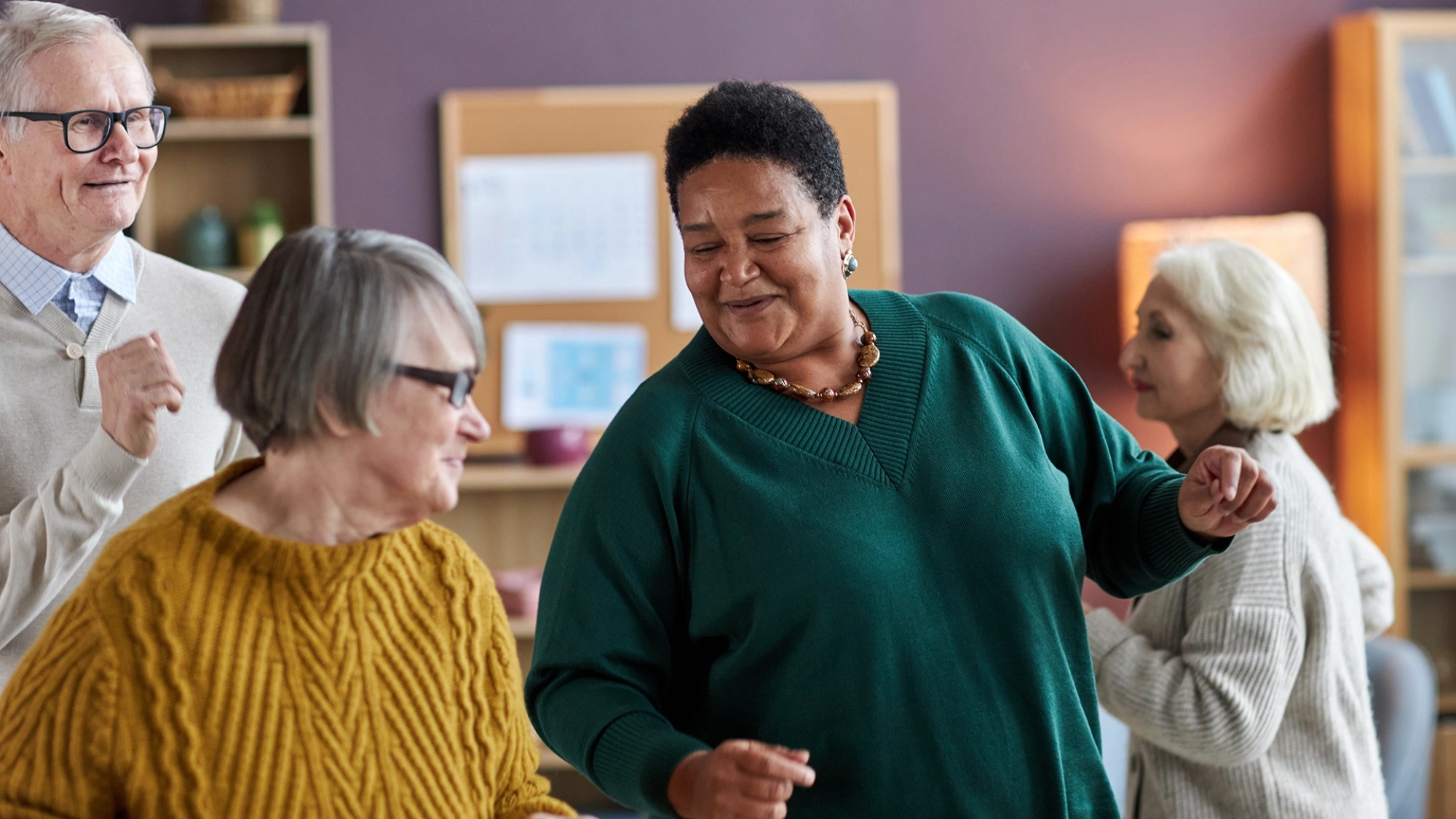
When families entrust a loved one to 24-hour memory care in Cincinnati, they want assurance that safety doesn’t mean sacrificing dignity. Modern dementia care technology reflects that balance, relying on discreet tools that extend far beyond traditional surveillance cameras and rigid systems. These tools aren’t a replacement for hands-on care, but a way to help caregivers work more proactively and devote more time to meaningful, one-on-one connection.
From invisible safety nets to personalized engagement tools, these are some of the quiet ways technology is enhancing resident safety while making dementia care more personal.
Moving Beyond Clinical Surveillance to Passive Safety Net Systems
The old model of memory care relied on institutional oversight that often felt cold and restrictive. Many modern facilities now deploy smart sensors that track movement and sleep patterns to help prevent falls without relying on locked doors or physical barriers.
Various systems work quietly in the background:
- Motion sensors alert staff to unusual activity during night hours when residents are most vulnerable.
- Sleep pattern monitoring helps caregivers identify health changes before they become urgent.
- Fall detection technology can alert staff within seconds, allowing for a faster response without constant hands-on supervision.
- Wander management systems notify caregivers if a resident leaves a designated safe area, allowing for a calm, timely response.
- Noninvasive technology allows residents freedom to move throughout a safe, monitored environment.
By handling the constant manual monitoring, these tools free caregivers to focus on conversation, activities, and other forms of one-on-one connection. Residents retain their freedom and privacy, while families still have the peace of mind that comes with vigilant care.
Customizing Daily Routines Through Personalized Care Profiles
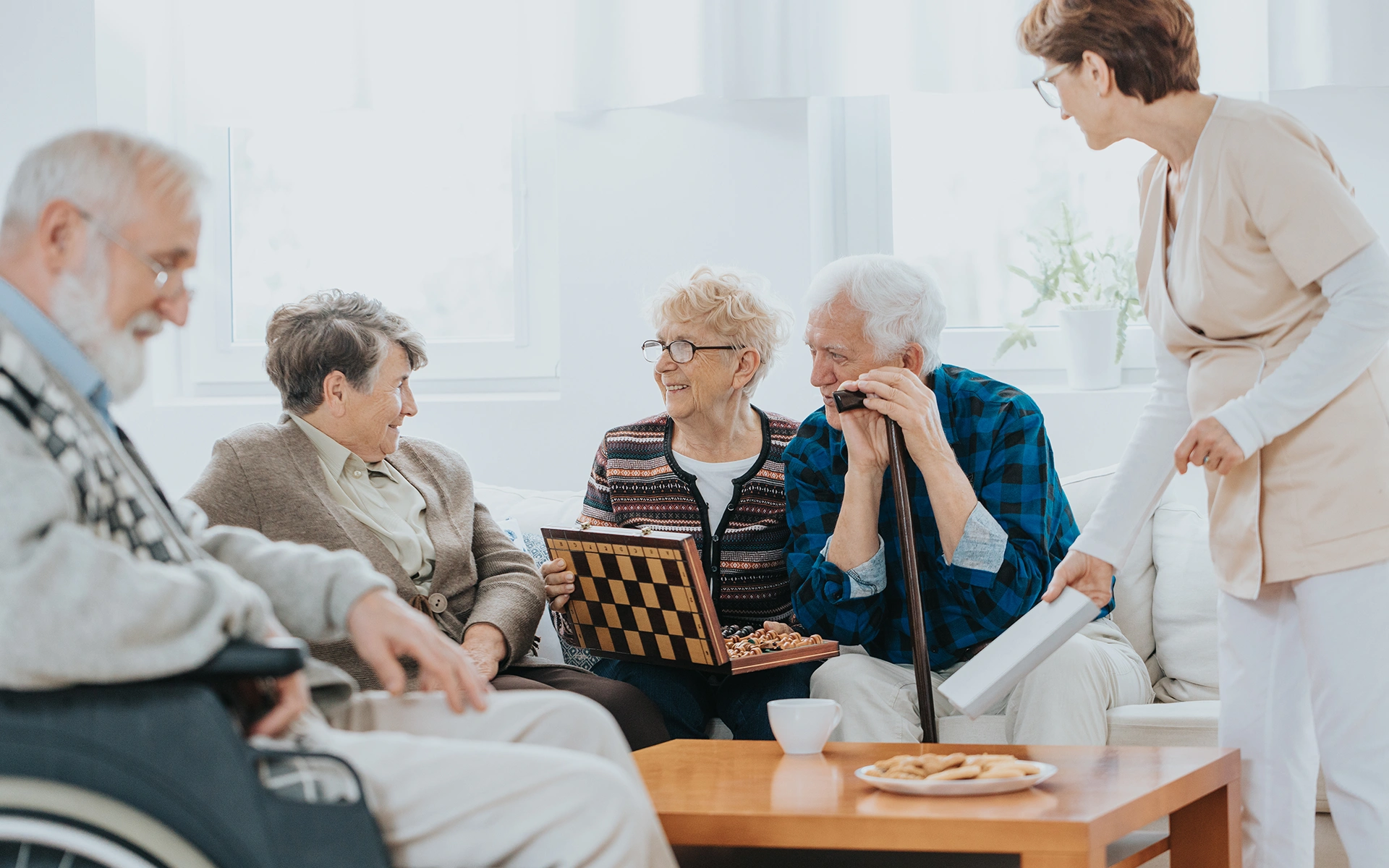
Technology allows staff to build detailed profiles of each resident’s life history, personal preferences, and cognitive strengths. This information fosters more meaningful engagement throughout the day.
Personalized care creates better outcomes:
- Activity programming matches individual abilities, reducing agitation.
- Communication strategies adapted to each person’s needs help staff connect more deeply with nonverbal residents.
- Tailored routines honor who residents were before their diagnosis, not their current limitations.
When technology reflects a person’s personality and history, it becomes a tool for connection rather than control.
Enhancing Communication and Peace of Mind for Families
Many communities now offer digital tools that keep long-distance family members informed about daily wellness and participation. Grandchildren and relatives send photos and video messages regularly, so residents see familiar faces and stay connected to the people who matter most.
As cognitive needs shift, these same tools help families understand how care is adapting. Data-driven insights show families what’s changing and why, letting them stay informed and involved in decisions about their loved one’s care.
Secure Premier 24-Hour Memory Care at Serene Suites in Cincinnati, OH
Ensuring continuous safety and comfort shouldn’t mean placing a vulnerable family member in a locked, clinical ward. At Serene Suites, our team combines compassionate, hands-on attention with personalized care plans, taking time to understand each resident’s history, preferences, and personality. We maintain a warm, homelike environment where technology serves the person.
While the memory care industry utilizes a variety of emerging safety and engagement tools, specific technology offerings and care systems vary. We invite you to speak directly with our team during your visit to discuss the specific tools and support systems currently utilized at our Cincinnati residence.
Schedule a personalized tour to experience our approach to 24-hour memory care in Cincinnati.
FAQs
How do safety monitoring systems protect privacy at memory care facilities?
Many modern facilities use motion sensors and sleep tracking rather than cameras, alerting staff only during concerning events. This provides security without surveillance, preserving dignity.
Can families stay involved if they live far away?
Absolutely. Digital tools are used to deliver daily wellness updates, activity photos, and video messaging, keeping distant relatives meaningfully connected without requiring constant check-ins.
Author Details
